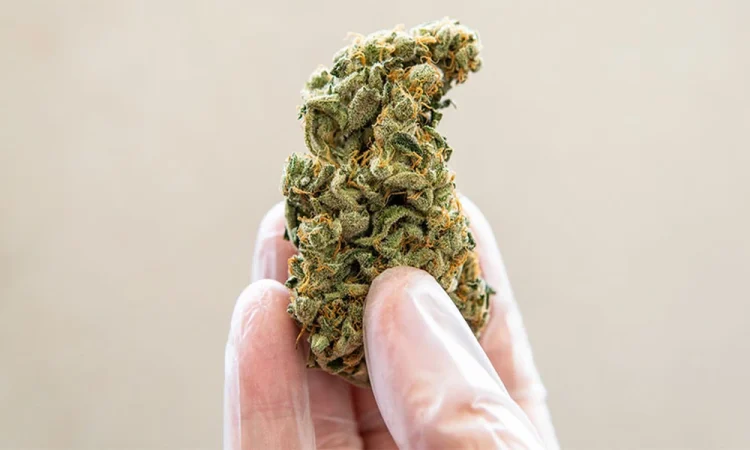
Hemp flower with no detectable aroma has already lost a significant portion of what made it worth purchasing. Exhale Wellness Gelato 42 flower carries a distinct terpene profile, producing an identifiable aroma when handled. When that aroma is absent, the terpene content responsible for it is gone. Terpene loss indicates that handling conditions protecting terpene content were not maintained at some point between harvest and the moment the package was opened.
Terpene volatility explained
Terpenes are volatile organic compounds. Volatile in the chemical sense means they convert from liquid to vapour at low temperatures and escape from plant surfaces whenever protective conditions are absent. Trichomes on hemp flower enclose terpene content within a resinous structure that slows evaporation. Once the plant is harvested, dried, cured, and packaged, trichome integrity becomes the primary barrier between terpene content and the surrounding environment. Heat, light, mechanical damage, or poor packaging compromise that barrier and accelerate terpene loss rapidly across relatively short storage periods.
Heat is the primary cause
Elevated temperature is the most common cause of terpene loss in hemp flower across storage and transit conditions. Terpene compounds begin evaporating at temperatures above standard room temperature, and the rate increases with each additional degree of heat beyond that threshold.
- Temperatures above 25 degrees Celsius accelerate terpene evaporation from trichome structures significantly.
- Flowers exposed to direct sunlight experience both UV degradation of cannabinoids and heat-driven terpene loss simultaneously.
- Short-term heat exposure during shipping produces terpene loss that does not reverse when the product returns to ambient temperature.
- Flat aroma immediately on opening indicates that terpene loss occurred before delivery rather than during buyer storage after receipt.
Drying errors post-harvest
Incorrect post harvest drying produces flower arriving with inadequate terpene content regardless of how well it is stored after purchase. Flowers dried too quickly at high temperatures lose terpene content during the drying stage before curing begins. Flower cured for insufficient time retains green, grassy character rather than developing the strain-specific aroma that proper curing allows to emerge across the full curing window. Over-dried flowers produce a flat aroma and harsh combustion. Under-dried flowers carry moisture masking terpene character and create conditions for microbial growth during subsequent storage periods.
Packaging in air exposure
Oxygen degrades terpene content through oxidation across extended storage periods. Flowers packaged in containers with significant air space above the product are exposed to more oxygen per gram than flowers packed to near capacity in appropriately sized airtight packaging. Loosely sealed original packaging after opening accelerates terpene loss between uses considerably. Transferring the flower to an airtight glass container sized appropriately for the remaining amount reduces air exposure between sessions without requiring any specialised equipment beyond a standard sealed jar.
Whether the flower remains usable
Terpene-depleted flower retains cannabinoid content in most cases despite the absence of aroma. THCA degradation occurs more slowly than terpene evaporation under the same adverse conditions. Flower smelling flat but not stored under extreme heat or light for extended periods likely retains most labelled THCA content despite terpene loss. The session will lack the flavour complexity the strain was intended to deliver, but the cannabinoid effect from THCA conversion upon heating remains available in most cases without significant potency reduction alongside the terpene loss.
Terpene loss in hemp flower is preventable through consistent cool, dark, airtight storage from the moment of purchase. Damage that occurred before delivery cannot be reversed after the package is opened.